How to choose the right art for your home?
Choosing art isn't always easy. Some people know right away what they like, while others are left wondering what really suits them. Should it be calm or eye-catching? Bright tones or more contrast?
I don't think there's one right answer. But there are some easy ways to find out.

1. What should the picture do in the room?
Start with the room. Do you want the image to create a sense of calm, energize, or draw the eye as soon as you enter?
A large image with contrasts can be a clear eye-catcher, while lighter tones often give a calmer feeling.
Think about how you want the room to feel. That can be a good start.
2. Look at the colors you already have
You don’t have to match everything – but it can be nice to bring back some of the colors already in the room.
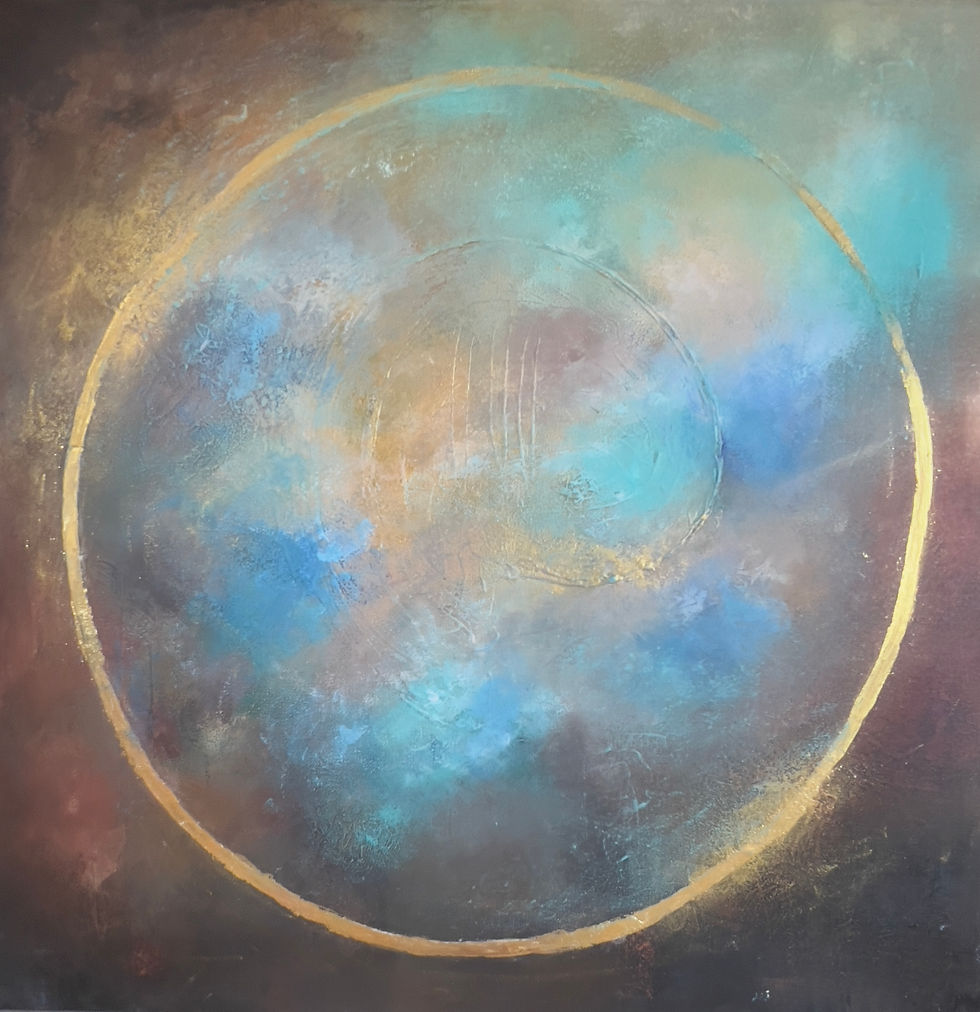
Blue tones can create a calm and harmonious feeling, while stronger contrasts can make the room more lively.
Choosing art that complements existing colors can create a cohesive atmosphere. It’s all about finding balance.

3. Choose something you are drawn to
This is perhaps the most important thing. If you stop and look at a picture a little longer, that is often a good indicator. It is easy to overthink – but what you actually like usually works best over time.
Art should speak to you. It should evoke emotions and memories. When you find something that really catches your attention, it is often a good choice.

4. Consider the size
Size matters more than many people think.
A picture that is too small on a large wall can disappear a bit, while a larger motif gives more presence and weight in the room.
It is important to consider the proportions of the room. A large picture can become a focal point, while a small picture can be overlooked.
5. Think about your style
What style do you have in your home? Is it modern, classic, or maybe bohemian? The artwork should reflect your style. It can be a great way to enhance the atmosphere you want in the room.

6. Be inspired by nature
Nature can be a wonderful source of inspiration.
Colors, shapes and textures from your surroundings can give you ideas for what you want to have on your wall.
Maybe an abstract interpretation of the landscape outside your window?
7. Visit galleries and exhibitions
Seeing art in person can be a completely different experience than looking at images online.
Visit local galleries and exhibitions. This gives you the opportunity to experience the art up close. You can also get a sense of what the art will look like in your own space.
8. Talk to the artist
If you have the opportunity, talk to the artist or read up on the history behind the artwork. It can help you understand what the artwork represents and why it is special.
9. Be open to new experiences
Art is subjective. What appeals to one person may be completely different to another.
Be open to new experiences and be surprised by what you find.

10. Trust your gut feeling!
Choosing art is intuitive.
If you have found something that you are attracted to, then go for it.
Art cannot always be explained, but felt and known. And if you felt an immediate feeling for a work of art the first time you saw it, then that is what you should go for.
I often paint without knowing exactly what it will be in advance. But I know when it fits – and it is a bit the same feeling I think you get when you find the right picture. If you would like to talk to me, or see one of the paintings in real life, please feel free to contact me.
Maybe you will find something that suits you.




Comments